August 26, 1920, is the day the 19th Amendment was certified, giving some women the legal right to vote. This was a hard-fought milestone that changed history, but it didn’t bring voting equality for all people.
Many people were still kept from voting equality for decades after 1920:
- Black people in the South faced Jim Crow laws, poll taxes, literacy tests, gerrymandering, and violent intimidation designed to suppress Black political power. Many of these tactics are still used and have lasting effects on voter access and political representation in BIPOC communities today.
- Indigenous people were not recognized as U.S. citizens until 1924, and even after citizenship, many states found ways to block Native voting for decades.
- Most Asian American people were denied citizenship until 1952, barred from naturalization by exclusionary immigration laws.
- Latine communities were blocked by poll taxes, English-only literacy tests, and citizenship restrictions. Puerto Ricans, though granted U.S. citizenship in 1917, still live under colonial rule and are subjected to U.S. federal law without voting rights or representation.
- Trans and intersex people are systemically erased, and continue to face barriers to voting through ID laws and gender policing.
That history matters. Despite facing racism, marginalization, and exclusion, including within the suffrage movement itself, BIPOC organizers played a central role in progressing voting rights and political participation, laying the groundwork for political movements globally.
“Women’s Equality Day” recognizes a massive milestone worth honoring. However, we can’t ignore that it mainly benefited privileged white women and the exclusionary white feminism that continues to be weaponized today.
Whitestream feminism tokenizes, erases, and sidelines the struggles, demands, and leadership of Black, Indigenous, Asian, Latina, and Arab women, femmes, trans women, and gender-expansive people.
Many white women’s suffrage leaders, including Susan B. Anthony, were motivated in part by frustration that some Black men could vote before white women, and they often used this racist rhetoric to advance their own enfranchisement.
Revolutionary women, femmes, trans women, and gender-expansive people of color have always been at the heart of shaping every fundamental movement for liberation, even when their voices were trampled and pushed aside. We honor and remember their contributions and resistance today and every day.
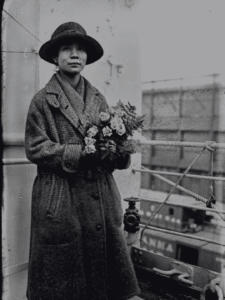
Mabel Ping-Hua Lee, a suffragist and community organizer, led campaigns for voting rights and built political power in Chinese American communities despite exclusionary naturalization laws.
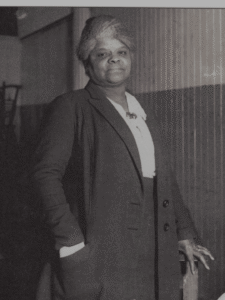
Ida B. Wells-Barnett, a Black journalist, suffragist, and anti-lynching activist, exposed systemic racism in society and the suffrage movement. She co-founded the National Association of Colored Women and Chicago’s Alpha Suffrage Club, mobilizing Black women to fight for voting rights and political power.
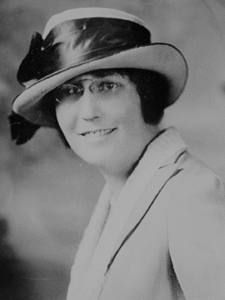
Adelina “Nina” Otero-Warren was a political leader, educator, and suffragist who mobilized Spanish-speaking communities in New Mexico. She served as Superintendent of Instruction in Santa Fe, reformed bilingual education, and ran for Congress in 1922, becoming the first Latina candidate in the New Mexico.
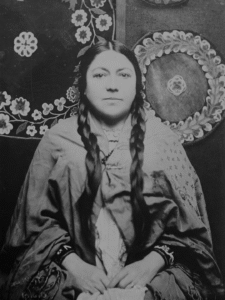
Marie Louise Bottineau Baldwin, a member of the Métis and Chippewa communities, used her legal training to fight for Native rights and political participation. She worked for the Bureau of Indian Affairs, helping Native communities claim their citizenship and voting rights despite systemic exclusion.
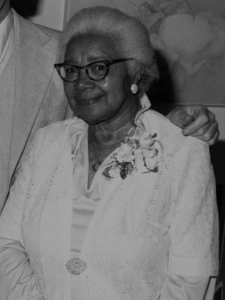
Frances Thompson, a Black trans woman, survived slavery and lived openly as a woman in post-Civil War Memphis. She testified before Congress in 1866 about the violence Black women faced during the Memphis Riots, advocating for legal protections and dignity, and challenging racial and gender oppression.
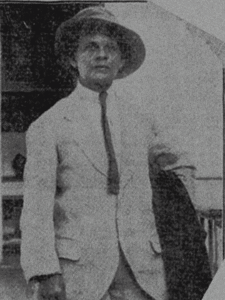
Luisa Capetillo, a Puerto Rican labor leader and anarchist, connected women’s rights to labor activism and anti-colonial struggles, advocating for social, political, and economic justice.
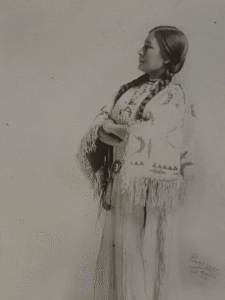
Zitkála-Šá, a Yankton Dakota writer, musician, and activist, fought for Native sovereignty and political participation. She challenged U.S. policies that denied Indigenous people citizenship and voting rights, using her writing and organizing to amplify Native voices and preserve cultural identity.
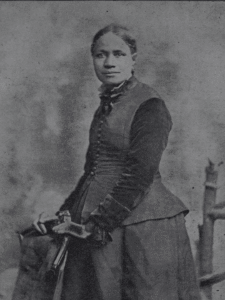
Frances Ellen Watkins Harper was a poet, lecturer, and abolitionist who organized women’s clubs and spoke widely for both racial and gender justice, advocating for Black women’s political participation.
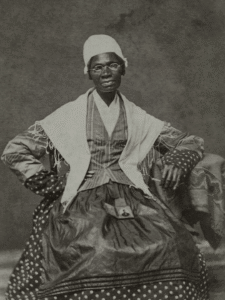
Sojourner Truth, a Black abolitionist and women’s rights activist, inspired generations with her 1851 “Ain’t I a Woman?” speech, challenging both slavery and gender inequality and asserting Black women’s place in politics long before the 19th Amendment.

